
Radiator Repair and Replacement in Your Location
Expert radiator installation, repair and replacement services. Restore even heating to every room in your home.
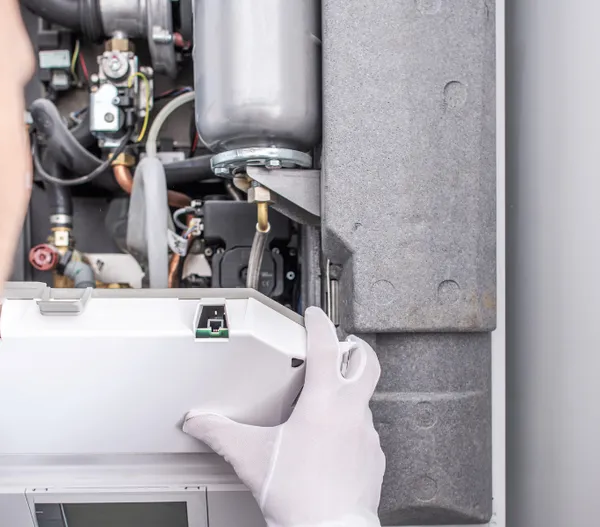
Proper sizing and installation for consistent warmth
If you're searching for radiator replacement in Your Location, you want the right radiator fitted properly so the room heats evenly again.
Maybe your radiator is leaking, cold in spots, taking ages to warm up, rusting, or it's the wrong size for the space and never feels comfortable. Your Business Name replaces radiators by checking the pipework and room requirements first, explaining the options clearly, and only starting once the plan is agreed.
The result is a correctly sized, securely fitted, and properly installed radiator that heats consistently and performs as it should.
Book radiator replacement in Your Location with Your Business Name.
Radiator Replacement in Your Location
Radiator replacement is the process of removing an existing radiator and fitting a new one that matches the room's needs and the existing pipework constraints. Done properly, radiator replacement improves heat output, restores reliability, and removes issues like leaks and corrosion that can worsen over time.
Our Focus: Your Business Name focuses on radiator replacement that's measured, compatible, and finished cleanly — so the new radiator works correctly from day one.
When Radiator Replacement is the Right Choice
Radiator replacement is commonly needed when:
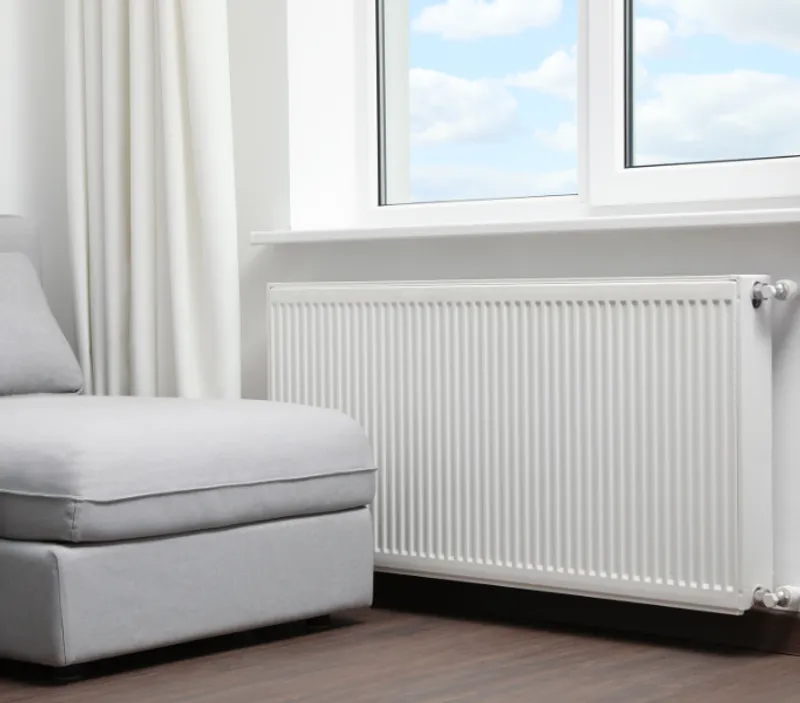
Professional radiator assessment and compatibility checks
What Radiator Replacement Includes
A radiator replacement service typically includes:
Choosing the Right Replacement Radiator
The "right" radiator is not just about appearance. A good replacement matches the room's heating demand and fits your system constraints.
Heat Output Suitability
Radiator output needs to suit the room. Oversizing and undersizing both create problems:
Too Small
The room never reaches comfort reliably
Too Large
Heat can feel uneven and less controllable
Important: Adequate hot water flow is essential for the radiator to deliver the intended heat output, ensuring the room is heated efficiently and evenly.
Expert Guidance: Your Business Name helps you choose a radiator that makes sense for real-world use in the space.
Size, Shape, and Placement
Replacement radiators must fit the available wall space while allowing:
Safe clearance around the radiator
Practical access to valves
A stable, level installation
Relocation Note: If you are relocating a radiator to a new location, additional planning is needed for rerouting or extending pipework and ensuring secure wall fixings.
Pipe Spacing and Connection Constraints
Not all radiators match existing pipe centres or connection locations. Replacement planning considers:
Connection Tip: It's important to inspect pipe joints for leaks and use a swivel nut to facilitate easier connection and adjustment during installation.
Quality Goal: This avoids forced pipework, awkward stress on joints, and poor finishing.
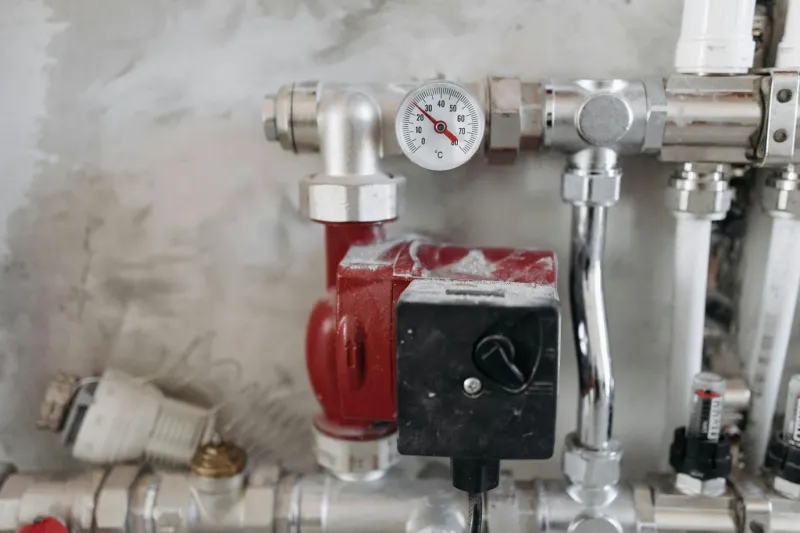
Professional radiator installation with precision alignment
Radiator Styles and Practical Differences
Standard Panel Radiators
A common replacement choice where reliability and straightforward fitting are priorities.
Column-style Radiators
Chosen for certain room aesthetics, but requires careful consideration of:
Wall strength and fixing points
Depth and clearance
Connection alignment
Practical Choice: Some column radiators also offer a cost-effective balance between style and performance, making them a practical choice for many homes.
Vertical Radiators
Useful when wall width is limited, but replacement planning must account for:
Height constraints
Pipe entry points
Practical valve placement
Radiator Valve Considerations During Replacement
Valves affect usability and control. During replacement, Your Business Name checks whether the existing valve setup is appropriate for the new radiator.
Key Considerations Include:
Radiator Replacement Process Step by Step
Assessment and Compatibility Checks
The existing radiator, pipe spacing, and wall conditions are checked. The room requirements are reviewed so the new radiator choice is practical and suitable.
Clear Explanation Before Work Begins
You'll get a clear description of what will be replaced, what needs adjusting, and how the replacement will be completed — with no unclear steps.
Safe Removal of the Existing Radiator
The radiator is isolated and removed carefully to prevent mess and avoid strain on existing connections. It is essential to drain all the water from the radiator before removal to prevent leaks and spills. Protect the floor with towels, trays, or buckets to catch any water that may escape during the process.
Installing the New Radiator Securely
The new radiator is mounted level and fixed correctly, with secure brackets and stable positioning. It is important to use suitable wall plugs to ensure the radiator brackets are firmly secured to the wall, preventing movement or loosening over time.
Reconnection and Operational Checks
Connections are completed correctly, then the radiator is checked for:
Essential Steps: Following these steps is essential to avoid leaks and ensure a reliable radiator installation.
Radiator Replacement Cost in Your Location
The cost of radiator replacement in Your Location depends on several key factors, including the type and size of the new radiator, the complexity of the installation, and any adjustments needed to your existing pipework or heating system.
Cost Range: Typically, the total cost for replacing a single radiator—including labour, materials, and basic system flushing—ranges from £150 to £300.
Additional Work May Increase Cost
If your replacement requires more extensive work, such as modifying pipework or a full system flush to remove sludge build up, the price may be higher.
Get Multiple Quotes
To ensure you get the best value, it's wise to request detailed quotes from several qualified heating engineers in Your Location.
Advice: This way, you can compare the scope of work, the quality of the replacement, and the overall cost before making a decision.
Energy Efficiency Considerations for New Radiators
When selecting a new radiator, energy efficiency should be a top priority.
Modern Radiators
Modern radiators with high BTU ratings are designed to heat your space effectively while using less energy.
Thermostatic Valves
Installing thermostatic radiator valves (TRVs) allows you to control the temperature in each room individually, helping to reduce unnecessary heating and lower your energy bills.
Double Panel Radiators
Double panel radiators are another smart choice, as their increased surface area improves heat distribution and overall efficiency compared to single panel models.
Overall Benefit: By choosing energy-efficient radiators and valves, you not only create a more comfortable home but also save money and reduce your environmental impact over time.
Safety Precautions During Radiator Replacement
Safety is crucial when you replace a radiator.
Professional Recommendation: If you're unsure about any step or lack the right tools, it's best to hire a qualified heating engineer to handle the replacement safely and avoid costly mistakes.
Common Replacement Scenarios and Constraints
Replacing a Leaking Radiator
Leak points often appear at:
Professional Help: For complex leaks or if you are unsure about the repair process, it is recommended to consult a qualified plumber to ensure the job is done safely and correctly.
Replacing a Radiator That Never Heats the Room Properly
If the radiator is consistently underperforming for the room, replacement prioritises:
Multiple Radiators: In some cases, achieving optimal heating may require installing more radiators or replacing multiple radiators to ensure even heat distribution throughout the property.
Replacing Due to Rust and Corrosion
Corrosion is often visible on the outside, but the priority is ensuring the replacement installation:
Sits securely
Has sound connections
Positioned to avoid future stress on joints
Quality Checks After Radiator Replacement
A radiator replacement should end with confidence that it's fitted correctly. Final checks typically include:
Common Mistakes to Avoid: During these final quality checks include overlooking small leaks, improper valve positioning, and failing to ensure all air has been bled from the system.
Warranty and Guarantee for New Radiators
Before finalising your new radiator purchase, check the warranty and guarantee details provided by the manufacturer.
- A reliable warranty should cover both parts and labour for at least five to ten years
- Some manufacturers offer extended warranties for added peace of mind
- Always read the terms and conditions carefully
Protection: A strong warranty protects your investment and ensures that, should any issues arise with your new radiator, you're covered for repairs or replacement.
Customer Support After Radiator Replacement
After your radiator installation, having access to responsive customer support can make all the difference.
- Choose a supplier who offers clear channels for support—phone, email, or online chat
- Many providers supply a comprehensive guide to radiator installation and maintenance
- Also includes a boiler manual to help you understand your heating system
Long-term Support: Good customer support ensures you're never left in the dark, and helps you keep your heating running smoothly long after the replacement is complete.
Radiator Replacement FAQs
How do I know what size radiator I need?
Radiator choice should suit the room's heating demand and the available wall space. Your Business Name helps match the replacement radiator to the room so it heats comfortably and consistently.
Can you replace a radiator with a different style?
Yes, as long as it can be fitted safely and compatibly. Pipe spacing, wall suitability, and valve access are checked first.
Will the new radiator line up with existing pipework?
That depends on the radiator and current pipe centres. Compatibility is checked before work starts, and the replacement is planned to avoid strained or forced connections.
What if the radiator sits in an awkward position in the room?
Replacement is a good time to reassess practical placement, but any positioning constraints are checked before proceeding so the final setup makes sense for daily use.
Book Radiator Replacement
Proper sizing and professional installation for even heating
Call YOUR-PHONE-NUMBER Book OnlineEven Heating Guarantee
Correct sizing for every room
Service Details
Service Type
Radiator Repair & Replacement
Response Time
Same Day Available
Installation Time
1-3 Hours per Radiator
Guarantee
12 Months on Installation
Typical Cost Range
Note: Prices may vary based on radiator type, complexity, and additional work required.
Energy Efficient Options
Restore Even Heating to Every Room
Don't suffer with cold spots or inefficient heating. Our heating experts are ready to install, repair, or replace your radiators for consistent warmth throughout your home.
Correct Sizing
Same Day Service
12 Month Guarantee
Professional Installation