
Hot Water Cylinder Repairs in Your Location
Expert diagnosis and repair of hot water cylinders by G3-qualified technicians. Restore reliable hot water to your home.
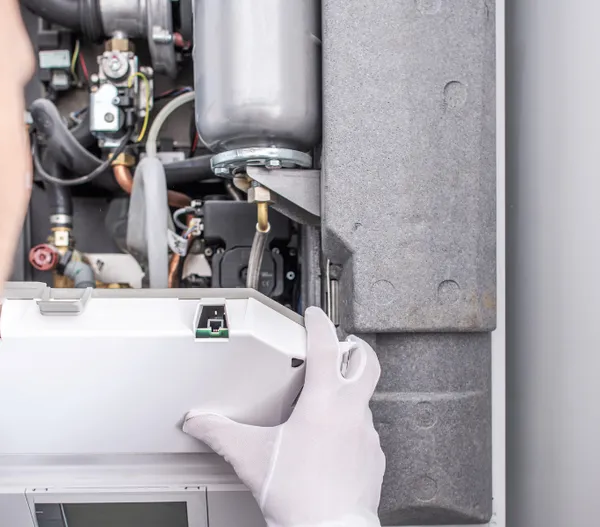
For unvented cylinder repairs by law
If you need hot water cylinder repairs in Your Location, Your Business Name will diagnose the fault and carry out the right repair to restore reliable hot water.
Unvented hot water cylinder repairs must be carried out by a G3-certified technician due to UK safety regulations. If you've got no hot water, water going lukewarm, leaks or damp patches, a dripping tundish/overflow, strange noises from the cylinder, or hot water running out faster than normal, we'll check what's happening first and explain it clearly.
Unvented hot water cylinders are fed directly from the mains water supply, ensuring a consistent flow of water, and require safety features like pressure relief valves and expansion vessels to prevent overpressure. Common issues with unvented cylinders include pressure problems, overheating, and leaks.
We don't start work until the cause and the fix are understood, so the problem is resolved properly rather than masked. You'll be left with stable temperature, dependable hot water, and a system that behaves normally again, thanks to our professional service ensuring the system is safely installed and maintained.
Call Your Business Name to book hot water cylinder repairs in Your Location.
Hot water cylinder issues often show up as the same symptoms—no hot water, inconsistent temperature, or unexpected dripping—but the cause can be very different. Your Business Name focuses on pinpointing the actual fault first, then repairing what's needed so the issue doesn't return in a different form.
Important: All hot water cylinder installation, servicing, and repairs should be performed by professional, fully qualified engineers, and unvented cylinders can only be installed by a qualified engineer. Unvented cylinders were made legal to install in the UK in 1986, which led to their widespread adoption.
What Hot Water Cylinder Repairs Cover
Hot water cylinder repairs are focused on restoring safe, normal hot water operation and stopping faults such as leaks, overheating, inconsistent temperature, or pressure-related discharge. A repair visit with Your Business Name typically includes:
Diagnosis & Repair
- Fault diagnosis based on your symptoms and how the cylinder behaves under demand
- Checks on temperature control and hot water delivery stability
- Identifying the source of leaks, dampness, or discharge
- Repairing or correcting the component(s) causing the problem
Safety & Verification
- Checking all safety devices, such as pressure relief valves and expansion vessels, to ensure the unvented cylinder operates safely
- Post-repair verification to confirm the cylinder heats, holds, and delivers hot water normally
Replacement parts may be required to complete the job, and using genuine parts ensures long-term reliability.
Regular maintenance is essential for the safe operation and optimal performance of your hot water cylinder.
Guarantee: All work carried out by our team of qualified engineers is fully guaranteed.
Thorough diagnostic checks on hot water cylinder systems
Hot Water Cylinder Types We Repair
Unvented Hot Water Cylinders
Unvented hot water cylinders are installed by fully qualified, G3-qualified engineers and must include essential safety devices such as pressure relief valves and an expansion vessel to prevent overpressure.
- Operate at high pressure for multiple simultaneous outlets
- Minimize heat loss for better efficiency
- Flexible installation locations
- Lifespan: 10-20 years with proper maintenance
Annual Service Required: Regular annual service by a qualified professional is essential to check all safety devices, pressure levels, and maintain warranty validity.
Vented Hot Water Cylinders
These systems are typically found in older homes and work with a cold water tank located in the loft. The vented cylinder is fed from this cold water tank, and the system relies on gravity for water pressure.
- Typically found in older homes
- Gravity-fed system with cold water tank in loft
- Generally cheaper to buy and install
- Can result in low pressure in taller buildings
Repair Focus: Restoring consistent hot water delivery, resolving leaks, and correcting control problems.
How Your Business Name Approaches Hot Water Cylinder Repairs
Symptom Mapping
We start with what you're experiencing: when hot water fails, whether it's intermittent, whether there's visible leaking/discharge, and what changes you've noticed. This prevents guesswork and speeds up accurate diagnosis.
Diagnosis Before Any Repair Work
We check the cylinder's behaviour and the parts most likely to cause your specific symptom pattern. The goal is to confirm the cause—not just the most obvious sign.
Clear Explanation of Fault and Repair Path
You'll be told what's wrong in plain language, what the repair involves, and what outcome to expect. No work starts until it's clear.
Repair, Then Verify Performance
After the repair, we confirm the cylinder heats properly, delivers stable hot water, and stops the unwanted symptom (leak/discharge/temperature swing).
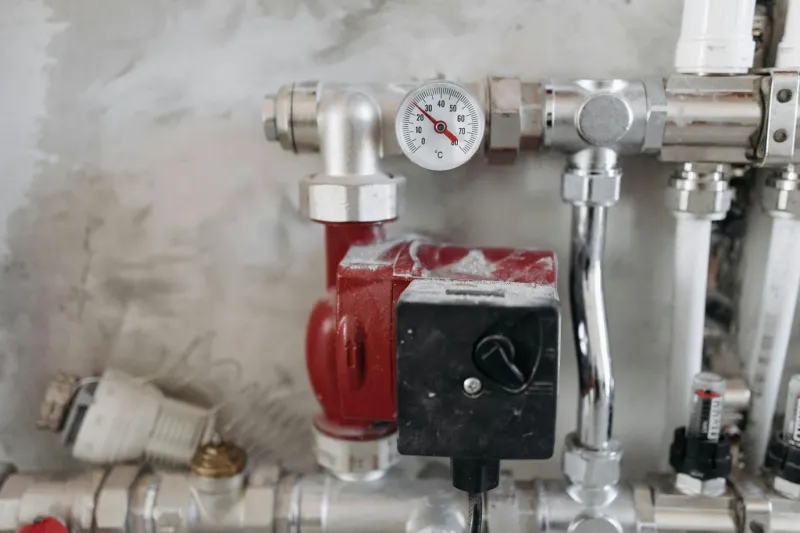
Detailed repair work on hot water cylinder components
Common Hot Water Cylinder Problems We Repair
No Hot Water At All
This can be caused by a control fault, a heating element issue (where the cylinder uses an immersion heater), or a system problem that prevents the cylinder reaching temperature. Issues with the hot water supply can also be due to problems with the heating system, thermostat, or boiler, especially in indirect systems. Diagnosis confirms what's failing and why it's not recovering. Low hot water pressure may be caused by a blocked inlet filter or a failed pressure reducing valve cartridge.
Hot Water Goes Lukewarm or Runs Out Quickly
If hot water performance has changed, the issue is often linked to temperature control, heat-up behaviour, or a component not operating as it should. Excessive heat loss or limescale build up—especially in hard water areas—can reduce the efficiency of the cylinder and cause hot water to run out quickly or become lukewarm. We identify whether the cylinder is failing to heat properly, failing to hold heat, or failing to deliver as expected.
Water Leaking or Dampness Around the Cylinder
Leaks can come from connections, valves, or components attached to the cylinder. In unvented hot water cylinders, leaks often occur due to wear and tear on their parts, which may require replacement parts to restore proper function. The important part is locating the exact source and confirming it's not a symptom of a wider fault, then repairing it properly.
Dripping from a Tundish or Overflow Pipe
A drip can be a sign the system is releasing pressure or temperature-related expansion. Dripping from a tundish or overflow may indicate a problem with safety devices such as the pressure relief valve or the expansion vessel, both of which are essential for preventing overpressure in unvented hot water cylinders. The repair depends on the pattern (constant, only when heating, or occasional), and we confirm the cause before correcting the fault.
Cylinder Overheating or Water Too Hot
Overheating is typically linked to temperature control not limiting correctly. A faulty thermostat or malfunctioning safety devices, such as pressure relief valves or expansion vessels, can cause the cylinder to overheat, and professional service is required to address these issues. The priority is identifying what's allowing temperature to rise beyond normal and repairing the control issue so the cylinder returns to stable operation.
Noisy Cylinder or "Banging" Sounds
Noises can point to instability during heat-up, trapped air in the system, or components working under strain. We trace the noise back to its cause and repair what's driving it.
What We Look For During Diagnosis
Diagnosis varies by cylinder type and symptom, but Your Business Name typically checks:
Water Quality Impact: Water quality can impact the lifespan and performance of your hot water cylinder, so it is important to consider this during diagnosis.
Annual Service Required: Unvented cylinders should be serviced once a year to check all safety devices, pressure levels, and electrical components.
Real-World Scenarios and Edge Cases We Handle
The Problem Only Happens at Certain Times
Intermittent faults often depend on heat-up cycles or peak usage. We look at the timing pattern so the repair targets what's failing under those conditions.
Dripping That "Comes and Goes"
Occasional dripping can have a different cause than constant discharge. We determine what triggers it—heat-up, high demand, or general operation—then correct the underlying issue.
A Repair That "Worked for a Bit" But the Symptom Returned
Recurring symptoms usually mean the original cause wasn't fully addressed, or there's a secondary factor driving the fault. We focus on the cause-chain so the repair is stable, not temporary.
Access Constraints Around the Cylinder
If the cylinder is boxed in or in a tight cupboard, we work to a plan that keeps access safe and sensible. If anything needs to be made accessible to diagnose or repair properly, we explain that before proceeding.
Post-Repair Checks and Outcome Confirmation
Before we finish, Your Business Name confirms the repair has achieved the practical outcome you called for:
Quality Assurance: Our team ensures every job is completed to the highest standard, with all checks performed for your peace of mind.
Hot Water Cylinder Repairs FAQs
Do you diagnose the fault before starting repairs?
Yes. Your Business Name diagnoses first, explains the cause and the repair approach clearly, and only proceeds once everything is understood.
Why is my tundish or overflow dripping?
Dripping can happen for different reasons, and the pattern matters. Sometimes, dripping is caused by issues with safety devices such as pressure relief valves or the expansion vessel, which are designed to protect the system from overpressure. We'll confirm whether it's normal expansion-related behaviour or a fault condition, then repair the cause.
My hot water is hot sometimes and lukewarm other times—what does that mean?
Inconsistent temperature is usually caused by a control or heat-up stability issue. Diagnosis confirms whether the cylinder is failing to heat properly, failing to limit temperature correctly, or failing under demand. A faulty thermostat or problems with the heating system can also lead to inconsistent hot water temperature.
How do I prepare for the appointment?
Make sure the cylinder cupboard/area is clear and accessible. If you can, note when the problem happens (only mornings, after heavy use, only when heating, etc.).
Will you test the cylinder before you leave?
Yes. After the repair, we verify performance so you're not left hoping it's fixed.
Need Cylinder Repairs Now?
G3-certified technicians available for emergency repairs
Call YOUR-PHONE-NUMBER Book OnlineG3 Certified Required
For unvented cylinder repairs by law
Service Details
Service Type
Hot Water Cylinder Repairs
Certification Required
G3 for Unvented Cylinders
Response Time
Same Day Available
Guarantee
12 Months on Work & Parts
Cost Information
Note: Annual service packages are available from many engineers, and annual servicing may be required to maintain warranty validity for unvented cylinders.
What Affects the Cost
Restore Reliable Hot Water Today
Don't suffer with cold showers or lukewarm water. Our G3-certified technicians are ready to diagnose and repair your hot water cylinder quickly and professionally.
G3 Certified
Same Day Service
12 Month Guarantee
All Cylinder Types