
Gas Leak Detection in Your Location
Emergency gas leak detection by Gas Safe registered engineers. If you smell gas, call now for immediate professional help.
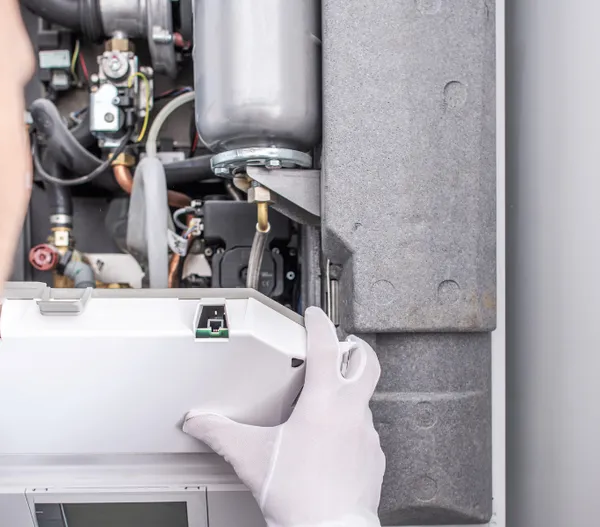
If you smell gas, call immediately
If you're searching for gas leak detection in Your Location, you likely need clarity fast — you can smell gas, you've noticed hissing near an appliance or pipe, your gas supply is behaving unusually, or you're worried there may be a leak you can't locate. Your Business Name approaches gas leak detection by confirming the risk level first, methodically testing to pinpoint the source, explaining what's been found in plain language, and only taking action once you understand what's happening. The result is a confirmed leak status and a clearly identified source so the issue can be resolved at the cause.
Book gas leak detection in Your Location with Your Business Name.
Gas leak detection service in Your Location
Gas leak detection is a safety-critical diagnostic service focused on finding whether gas is escaping and, if so, where it's coming from. Your Business Name provides gas leak detection in Your Location for homes where there's concern about a possible leak, uncertainty about safety, or a need to identify the exact source of gas loss.
Gas leak detection has applications in residential, commercial, and industrial environments, supporting safety inspections, maintenance procedures, and compliance with regulations.
This page is about gas leak detection only — not appliance installation, servicing, or other work.
When gas leak detection is needed
Gas leak detection in Your Location is commonly requested when:
Causes of gas leaks
Gas leaks are a serious safety hazard that require immediate attention, as they can lead to potentially fatal incidents such as explosions, fires, or exposure to toxic gases. Understanding the causes of gas leaks is essential for prevention and quick response.
The most common causes of gas leaks include poor gas installations, where improper fitting or substandard materials can create weak points in the system. Over time, pipes and fittings may become damaged or corroded, especially in older properties or areas with aging infrastructure. Accidental damage during renovations, construction, or even routine maintenance can also compromise gas lines, leading to leaks that may not be immediately visible.
Faulty or worn-out fittings, especially at connection points for appliances like boilers or cookers, are frequent sources of leaks. In some cases, leaks can develop in hard-to-reach areas such as cellars, behind walls, or within enclosures, making them difficult to detect without the right equipment.
Gas leaks can involve a range of substances, including combustible gases like natural gas, propane, and methane, as well as toxic gases such as carbon monoxide and refrigerant gases. Each type of gas presents unique risks—carbon monoxide, for example, is both odorless and highly toxic, while natural gas and LPG are highly flammable.
To identify and locate leaks, professionals rely on gas leak detectors and handheld gas detectors, which are designed to detect even small quantities of gas in the air. Leak detection fluids are another essential tool; when applied to suspected areas, they produce visible bubbles if gas is escaping, helping to pinpoint the exact source. Many modern gas detectors feature both audible and visual alarms, providing an immediate alert if dangerous levels of gas are detected.
Using non-flammable and non-corrosive leak detection fluids is important to ensure safety during the detection process, especially when working with LPG or refrigerant gases. Popular models of gas leak detectors are capable of detecting a wide range of gases—including hydrogen, oxygen, and nitrogen—and can measure concentrations down to parts per million (ppm), ensuring precise and reliable results.
Regular maintenance of gas installations and prompt attention to any signs of a leak are essential steps in reducing risk. Investing in high-quality gas detectors and leak detection fluids, and ensuring they are suitable for the specific application and environment, can make all the difference in keeping your property safe.
If you suspect a gas leak or want to ensure your gas installations are secure, it's vital to act quickly. Contact a reliable service provider for expert advice, thorough testing, and professional gas leak detection. Taking proactive measures now can help you avoid dangerous situations and maintain a safe, healthy environment for everyone in your home or business.
What gas leak detection includes
A proper gas leak detection visit typically includes:
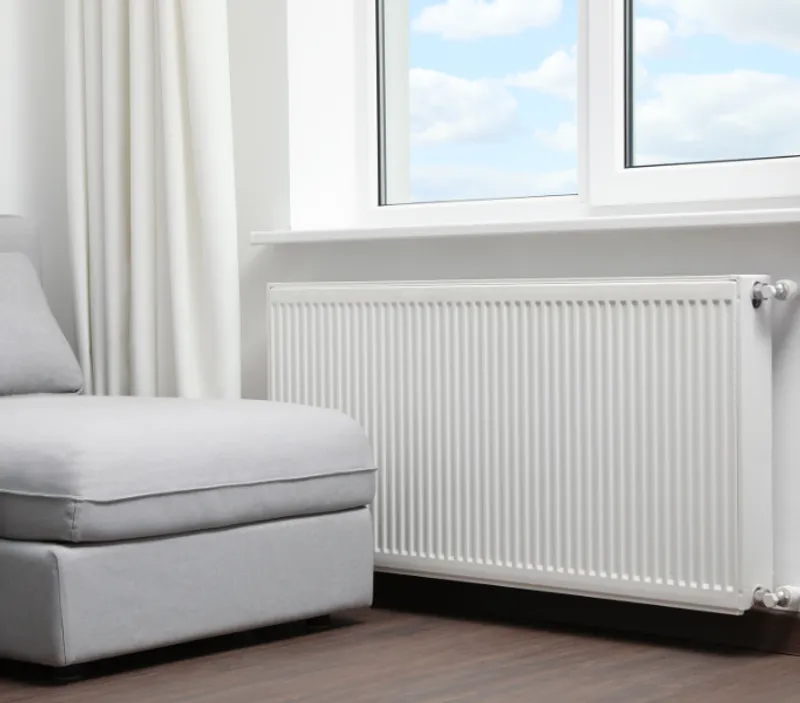
Advanced gas leak detection with professional equipment
How gas leak detection is carried out
Gas leaks can be constant or intermittent, so gas detection needs a structured approach. The choice of detection method may depend on the type of gas, the environment, and the required sensitivity. Gas leak detection services are used across multiple sectors, including utilities, manufacturing, and oil & gas. The process can be applied to a range of gases, such as acetylene, as well as other common gases. Some detection methods, like sprays or fluids, are simple to use and provide quick visual confirmation by applying them directly to various surfaces to identify leaks. All detection equipment and procedures are thoroughly tested to ensure reliability and compliance with safety standards.
Certain gas detection methods are ideal for specific scenarios, such as industrial or residential settings, ensuring optimal performance for each application.
Initial risk assessment and symptom mapping
Your Business Name confirms where the smell or alert occurs, whether it's stronger in specific rooms or cupboards, and whether it changes with appliance use or time of day.
Zone-based testing
Detection is performed by working through the system in logical zones to identify whether the issue is local to one area, whether it is linked to a specific connection point, and whether it appears under certain conditions (for example, when appliances are in use).
Pinpointing and confirmation
Once the suspected area is identified, the leak location is narrowed further until the source can be clearly confirmed.
Common leak locations (what we check first)
Gas leaks most often originate from areas where there are joins, connections, or points of movement. Gas leak detection commonly focuses on:
Objective: The objective is to confirm the true source — not just the area where the smell is noticed.
Intermittent gas smells: why detection needs care
Some gas concerns are not constant. You may only notice the smell:
Gas leak detection must account for these patterns, which is why symptom mapping and methodical testing matter.
What you'll get from a detection visit
At the end of the detection work, you should have:
Our service ensures you are fully prepared to take any necessary next steps for safety and compliance.
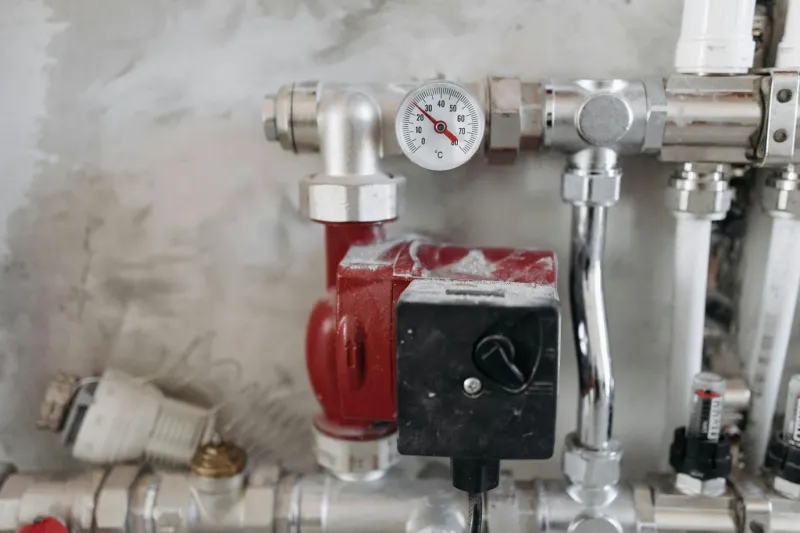
Clear reporting and explanation of findings
Gas leak detection FAQs
I can smell gas but I can't find the source — can you still detect it?
Yes. Gas leak detection is specifically designed for situations where the smell is present but the source isn't obvious.
What if the smell comes and goes?
Intermittent issues are common. Detection includes identifying patterns and testing in a way that helps pinpoint leaks that aren't constant.
Will you tell me exactly where the leak is?
The goal is to locate the source as precisely as possible and confirm it clearly, not just guess at an area.
Do I need to do anything before the visit?
If you can, note where the smell is strongest and when you notice it most. That information helps speed up pinpointing.
Book gas leak detection in Your Location
For gas leak detection in Your Location focused on clear answers, careful testing, and pinpointing the source without guesswork, contact Your Business Name. Arrange a detection visit and get certainty on what's happening and where it's coming from.
EMERGENCY
If you smell gas, call immediately. Do not wait.
EMERGENCY: YOUR-PHONE-NUMBER Schedule Detection24/7 Response
Emergency service available
Service Details
Service Type
Gas Leak Detection
Response Time
Emergency & Scheduled
Engineer Qualification
Gas Safe Registered
Detection Equipment
Advanced Gas Detectors
Gas Safety Warning
- • If you smell gas, evacuate immediately
- • Do not use electrical switches
- • Do not use naked flames
- • Call from outside the property
Gases We Detect
Don't Risk It — Detect Gas Leaks Immediately
Gas leaks are dangerous and require immediate professional attention. Our Gas Safe registered engineers are available 24/7 for emergency detection.
24/7 Emergency
Gas Safe Registered
Fast Response
Precise Detection